Species feeding guide

Live food for killifish

Many killifish only really thrive — and spawn — on live food; some species barely look at dry food at all. Adults hunt daphnia and grindal worms eagerly, while their famously tiny fry start on the smallest cultures we sell.

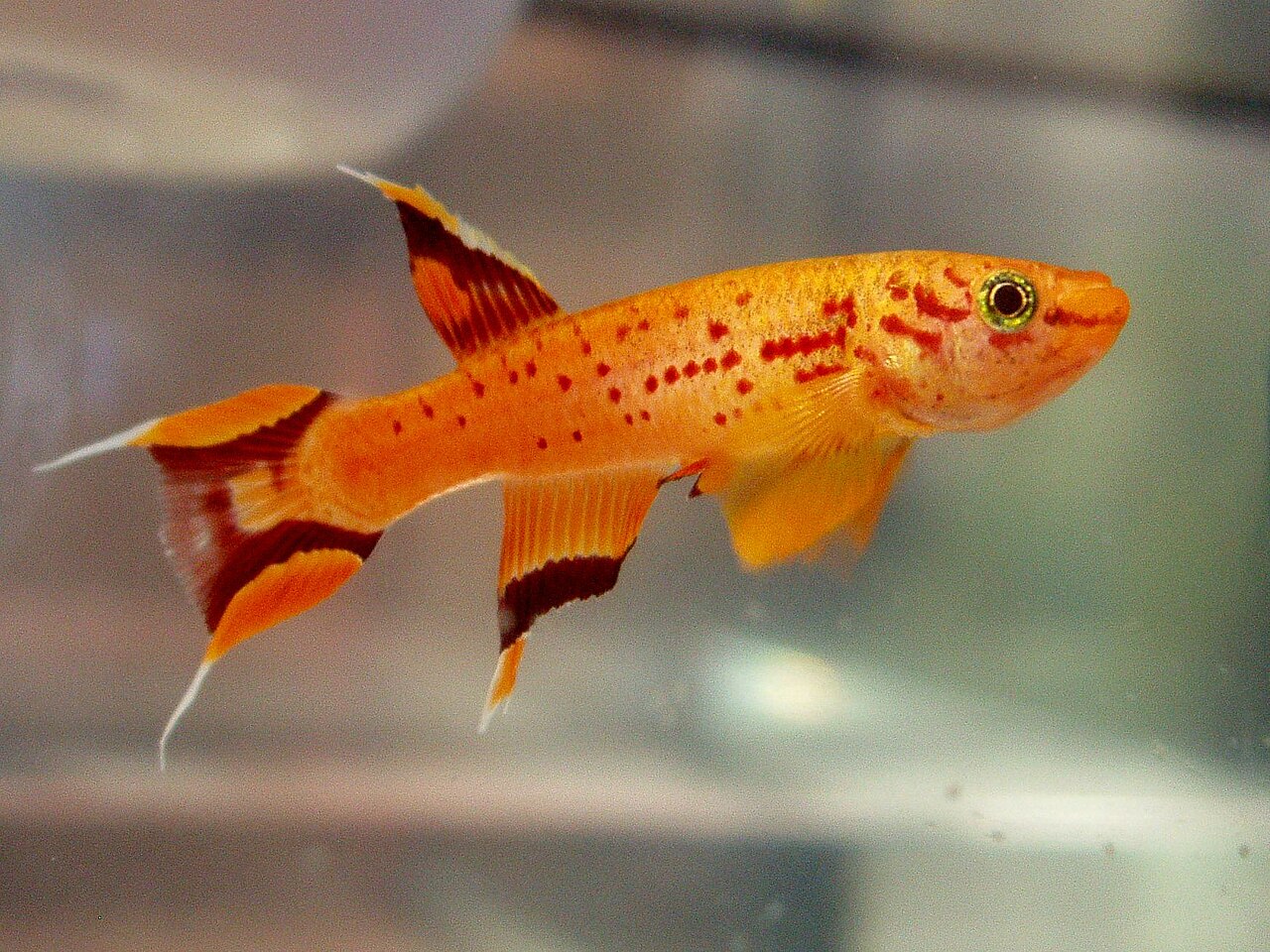
A golden killifish (Aphyosemion australe) in an aquarium

Photo: Alexander Prokoshev, Wikimedia Commons, CC BY-SA 3.0

The feeding plan

StageFeed thisWhy it works
Adults, most daysLive daphnia / moinaSurface- and mid-water hunting that mirrors their natural insect-and-crustacean diet
Conditioning for spawningGrindal worms in rotationThe classic killifish conditioning worm — a harvest mixes adult and baby worms, feeding pairs and juveniles at once
Newly hatched fryVinegar eels, then banana wormsMany killifish fry are minute; eels swim where fry hunt, banana worms are the first step up
Growing fry (±1 cm+)Young grindal worms + baby daphniaFaster growth on meatier food once mouths allow

Practical tips

  • Feed adults little and often near the surface — killifish are jumpers, so feed with the lid ready to close.
  • Set a vinegar eel tub going when eggs go into water; their fry do not wait for a culture to be ready.
  • A grindal box on the fish-room shelf is the traditional killifish insurance — harvest daily in seconds.
Watch out: Exclusive single-food diets lead to deficiencies in killifish — rotate daphnia and grindal worms at minimum. Also keep lids tight: a hunting killifish is a jumping killifish.

Common questions

What is the best live food for killifish?

Daphnia as the everyday hunt, grindal worms for conditioning and growing fry. Most killifish keepers run both cultures permanently.

What do killifish fry eat?

Start with vinegar eels and banana worms — many species hatch extremely small — then microworms, baby daphnia and young grindal worms as they grow.

Start these cultures

In stock in the Western Cape, dispatched Monday to Wednesday, door-to-door across South Africa.

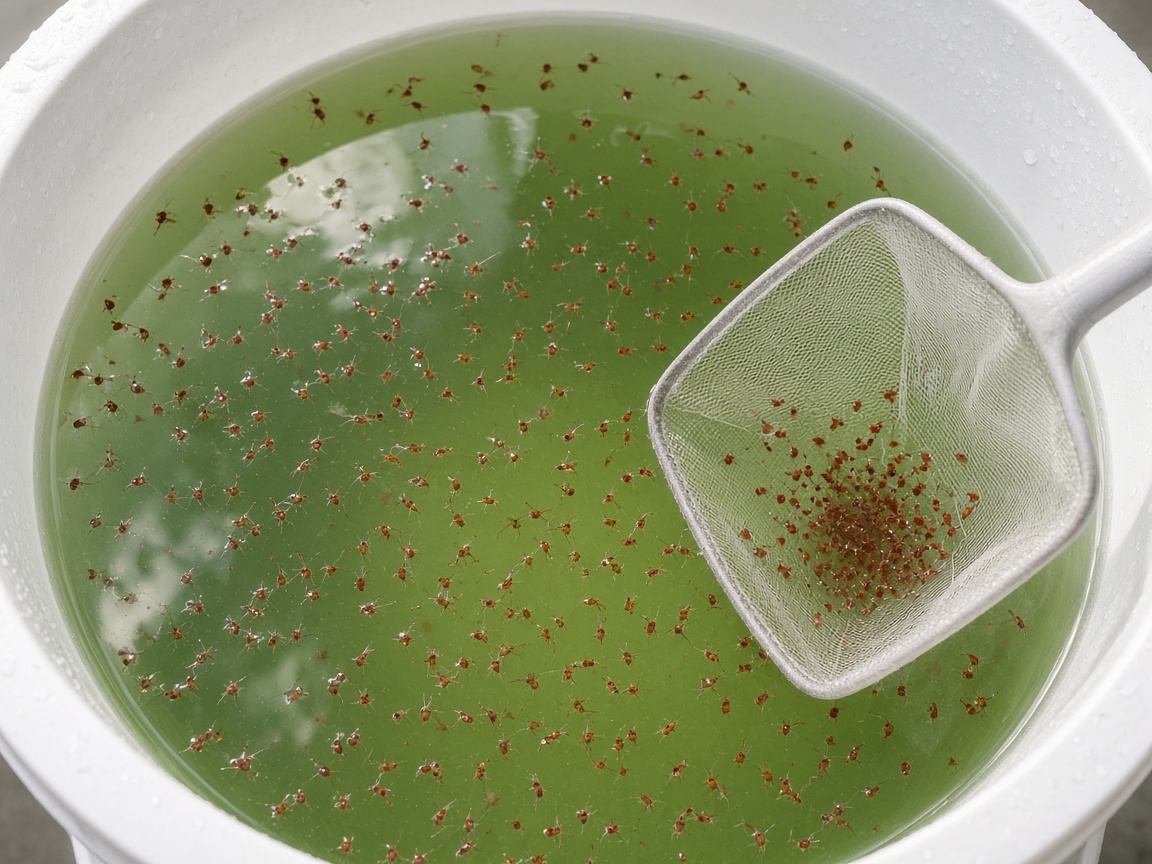
Live daphnia (moina) being harvested with a fine net from a green culture tub

Daphnia (Moina)

In stock

Moina sp.

The small “daphnia” that suits fry and small fish — and breeds fast in warm water

Size±0.4–1.5 mm (adults ±1–1.5 mm)
Temperature20–30 °C (fastest at 24–28 °C)
FoodGreen water, yeast, spirulina
DifficultyModerate — keep a backup culture

R50 · starter culture
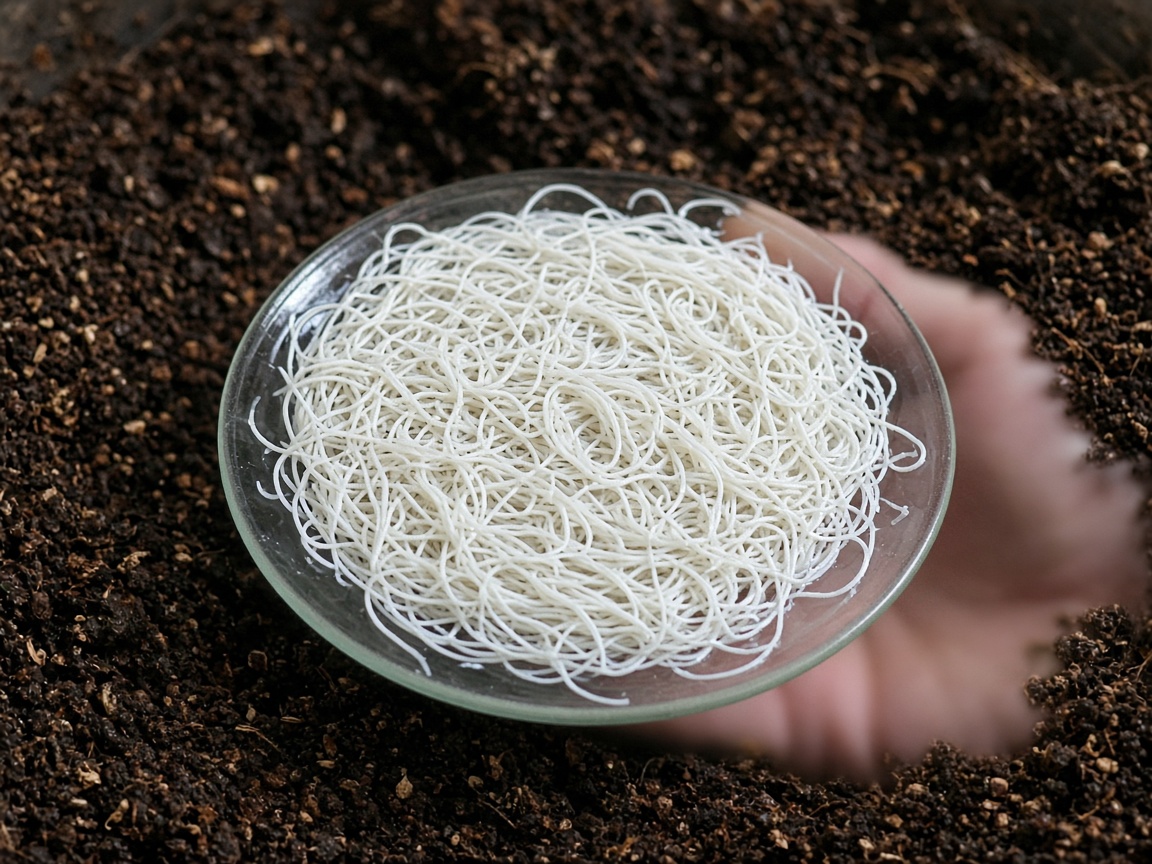
Grindal worms harvested clean on a glass plate over coir

Grindal Worms

Out of stock

Enchytraeus buchholzi

A bigger, meatier worm for growing-on fry and small adult fish

Size±1 mm young to ±10 mm adults
Culture mediumDamp coir, soil mix or sponge
TemperatureRoom temperature (cooler shelf)
DifficultyEasy

R50 · starter culture

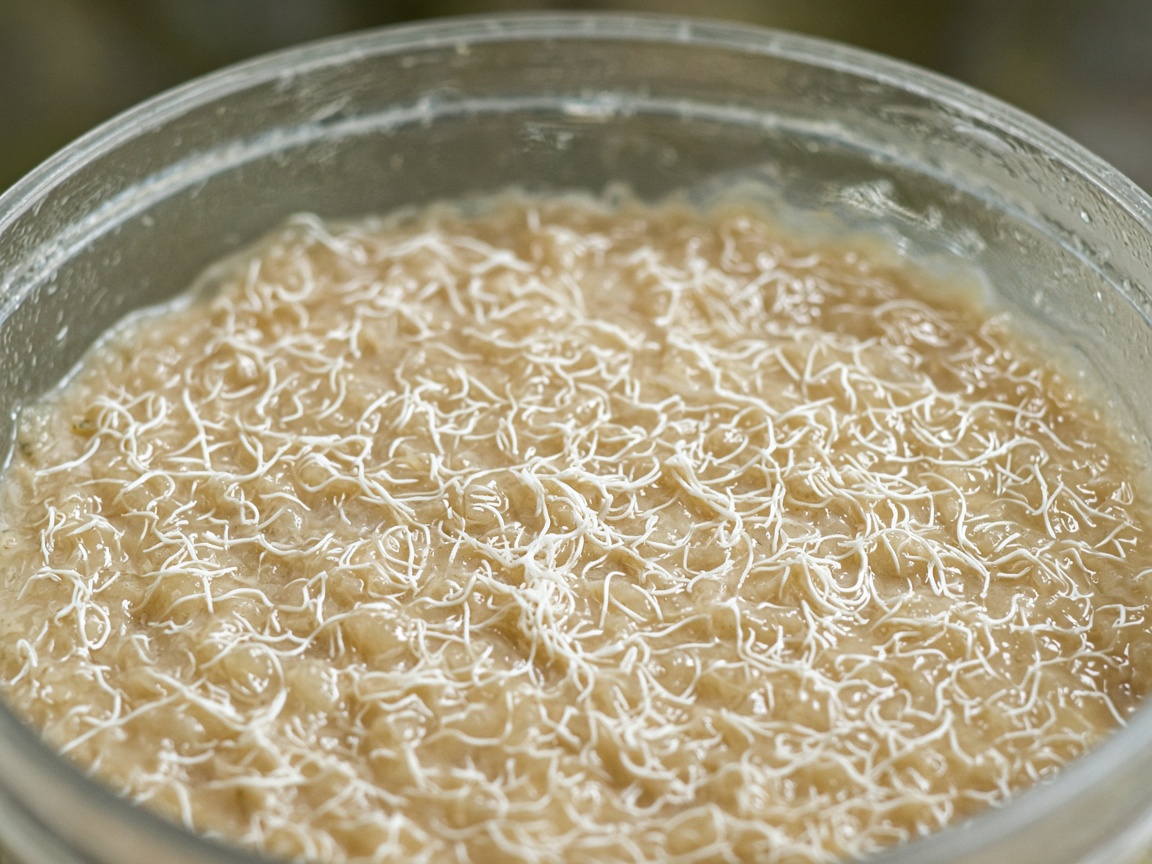
Banana worm culture surface in a clear tub

Banana Worms

In stock

Panagrellus nepenthicola

Smaller than microworms — for the tiniest fry, sooner

SizeSmaller & thinner than microworms
Culture mediumOats / instant porridge paste
Temperature18–27 °C (room temperature)
DifficultyVery easy

R50 · 15 ml starter culture

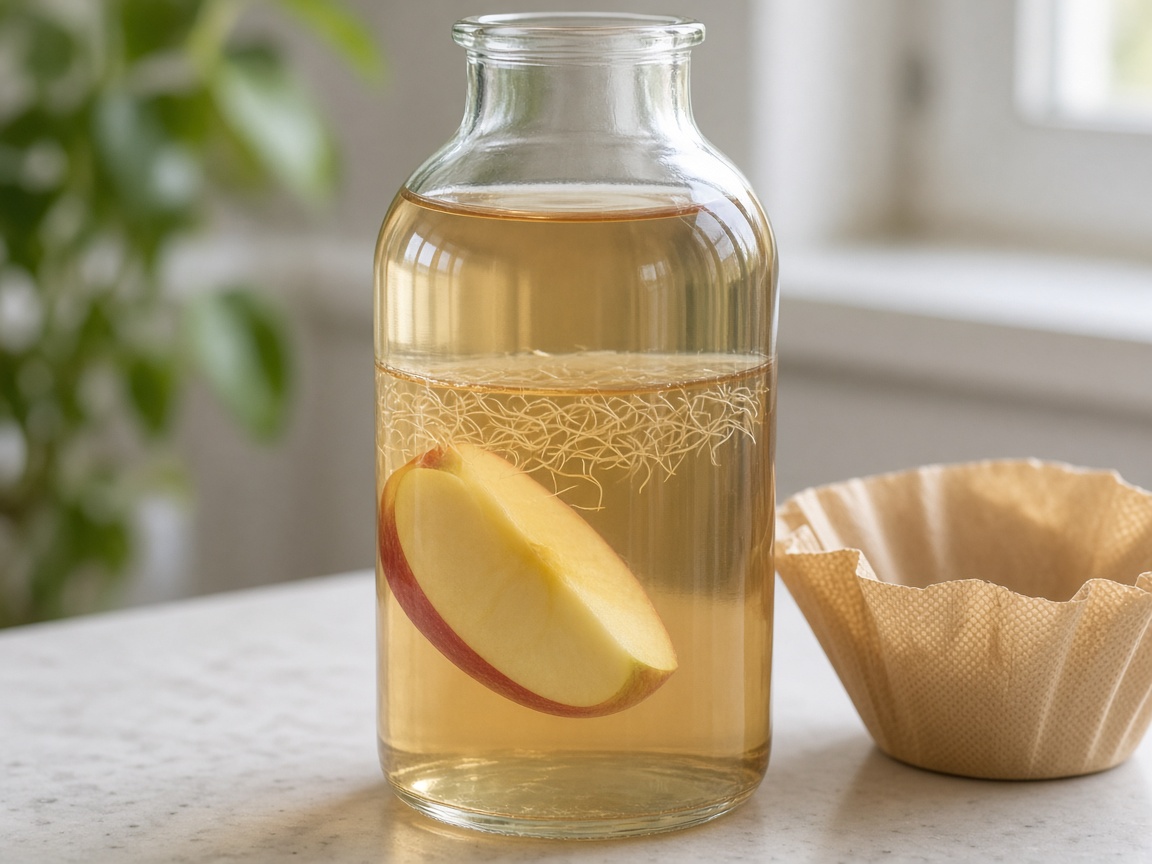
Vinegar eel starter culture tub

Vinegar Eels

In stock

Turbatrix aceti

The tiniest first food — cultured on oats, despite the name

Size±0.3–2 mm
Culture mediumOats / instant porridge paste (like microworms)
Temperature18–27 °C (room temperature)
DifficultyVery easy

R50 · 15 ml starter culture

Feeding killifish? Get the culture right first time.

Tell us your setup and town on WhatsApp — we will confirm which cultures you need, what is in stock, and the exact delivered price.

Ask about killifish food on WhatsApp

More species guides

Live food for bettas · Food for betta fry · Food for guppy fry · Live food for guppies · All species →

Order on WhatsApp