Moina sp.

Live Daphnia (Moina) Starter Culture

The small “daphnia” that suits fry and small fish — and breeds fast in warm water
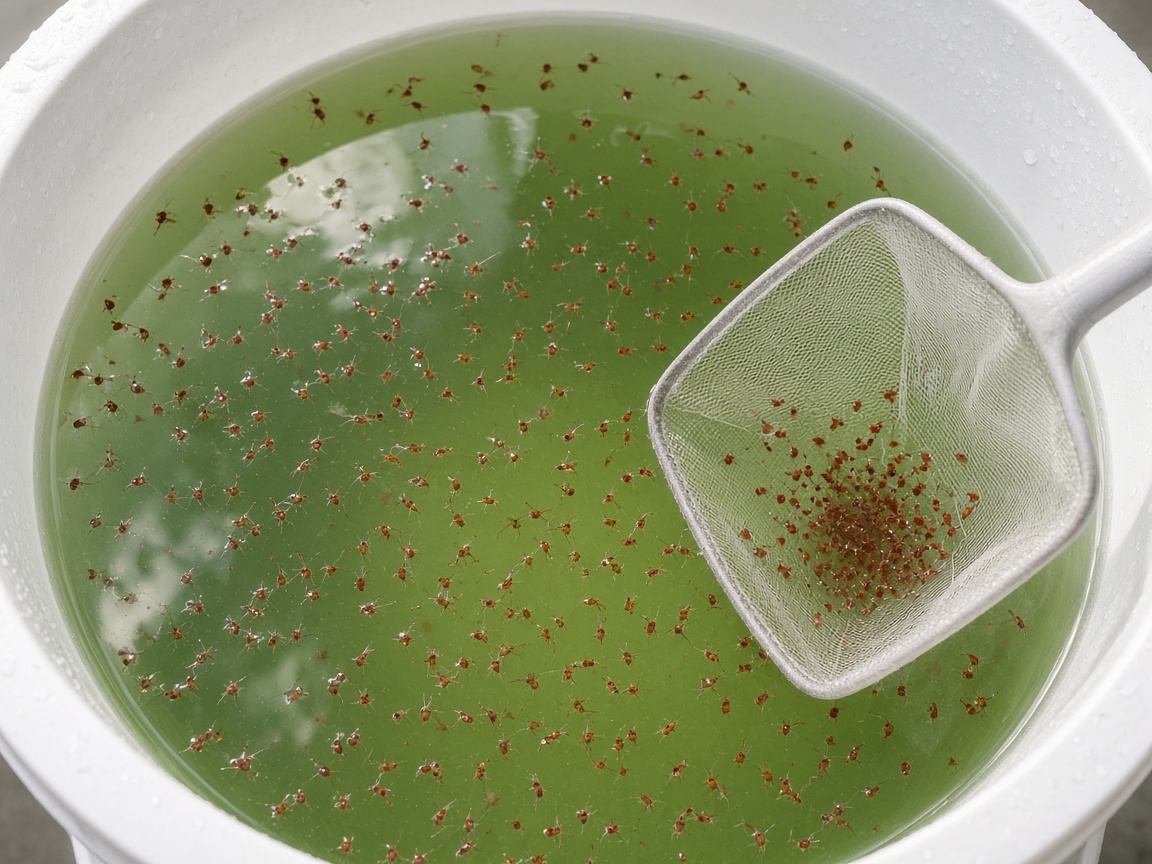
Live daphnia (moina) being harvested with a fine net from a green culture tub
Size
±0.4–1.5 mm (adults ±1–1.5 mm)
Temperature
20–30 °C (fastest at 24–28 °C)
Food
Green water, yeast, spirulina
Difficulty
Moderate — keep a backup culture

About this culture

What most South Africans buy as “daphnia” is actually moina — and that is exactly what we sell, honestly labelled. Moina are close cousins of daphnia but much smaller than the big Daphnia magna (adults ±1–1.5 mm, not 2–5 mm), so growing fry and small-mouthed fish can actually eat them. They are one of the most nutritious live foods in the hobby, famous for triggering natural hunting behaviour and bringing fish into breeding condition — and because they are a warm-water species they reproduce far faster than true daphnia in South African room-temperature tubs. Feed them straight from your culture, or let the culture establish and harvest for months. On the “500 ml worth”: you receive the animals from a full 500 ml of culture, concentrated into a much smaller volume for shipping — we do not courier 500 ml of mostly water, which saves packing space and keeps the parcel small. Tip the whole lot into your tub and top up with aged water, and the culture spreads out and carries on.

Best for

  • Growing fry that have outgrown microworms
  • Small community fish — guppies, tetras, bettas
  • Conditioning small breeding stock
  • Pea puffers & other small-mouthed hunters

How to culture it

  1. Use a 10–20 L tub or bucket with aged, dechlorinated water and gentle aeration (or no airstone for still-water setups). Your starter arrives concentrated in a small volume — that is 500 ml worth of animals, not a mistake. Tip it all in and top up with aged water.
  2. Keep at 20–30 °C in indirect light — moina are warm-water animals and breed fastest at 24–28 °C; below ±20 °C reproduction slows right down. Add the starter and wait until the water is faintly hazy with food before feeding more.
  3. Feed little and often — green water, a pinch of yeast solution or spirulina. Feed only when the water starts clearing.
  4. Harvest regularly with a fine net or turkey baster — frequent harvesting keeps the culture young and reproducing. Always keep a second backup culture: moina cultures boom fast and can crash fast, and a split culture costs nothing.

How to feed it

Net or pipette a portion, rinse briefly in tank water if you like, and feed what fish eat in a few minutes. Newborn moina suit larger fry; the ±1 mm adults are right for small fish.

Uneaten moina survive in freshwater until eaten — they will not foul the tank like frozen food can.

Go deeper: How to culture daphnia (moina) at home →

R50

In stock Order on WhatsApp

Customers also start these cultures

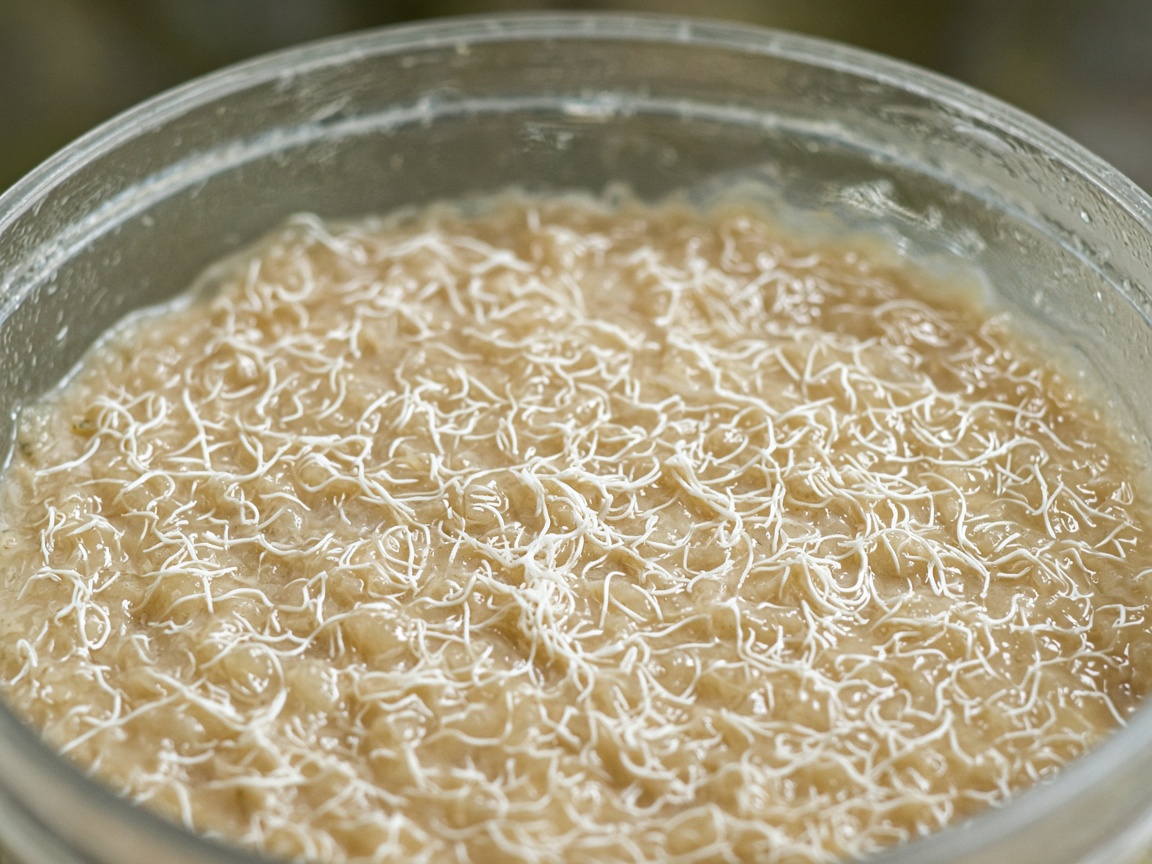
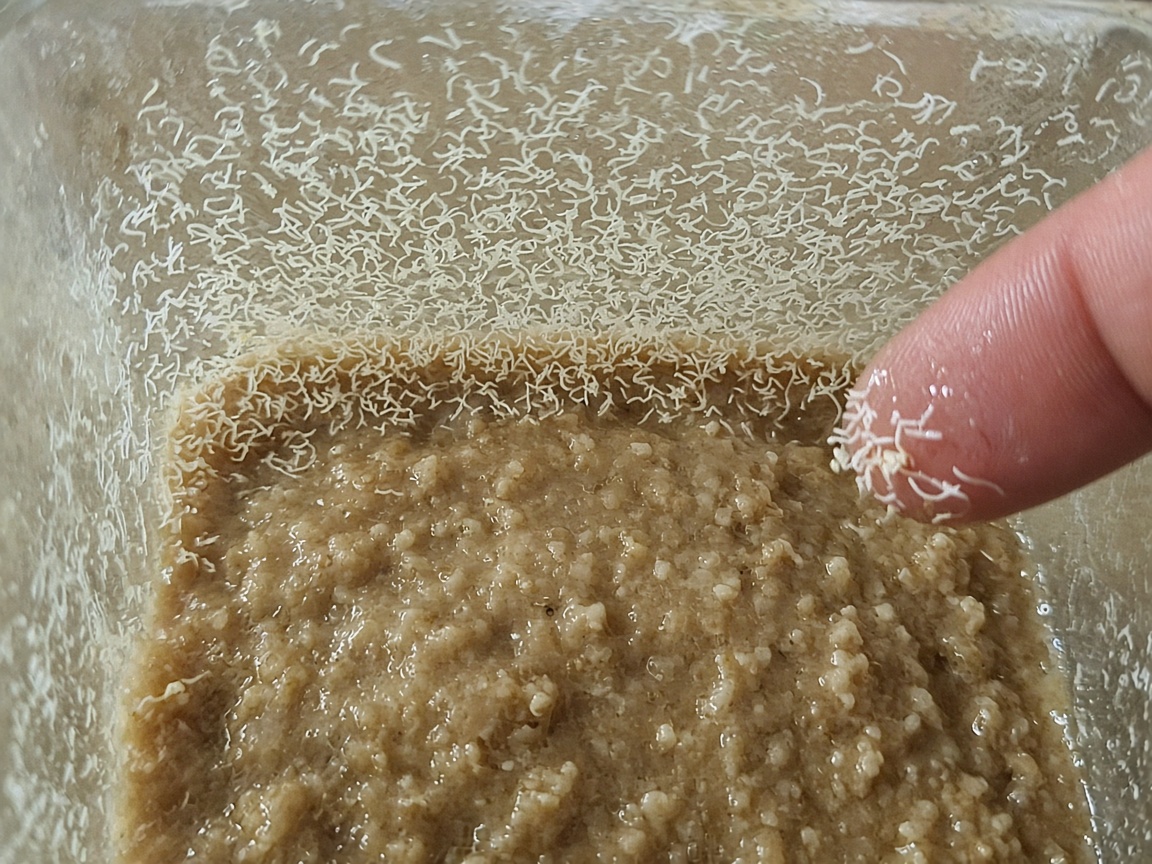
Microworms climbing the wall of a culture tub, harvested with a fingertip

Microworms

In stock

Panagrellus redivivus

The go-to first food for betta, gourami, tetra and cory fry

Size±1–3 mm
Culture mediumOats / instant porridge paste
Temperature18–27 °C (room temperature)
DifficultyVery easy

R50 · 15 ml starter culture

Banana worm culture surface in a clear tub

Banana Worms

In stock

Panagrellus nepenthicola

Smaller than microworms — for the tiniest fry, sooner

SizeSmaller & thinner than microworms
Culture mediumOats / instant porridge paste
Temperature18–27 °C (room temperature)
DifficultyVery easy

R50 · 15 ml starter culture

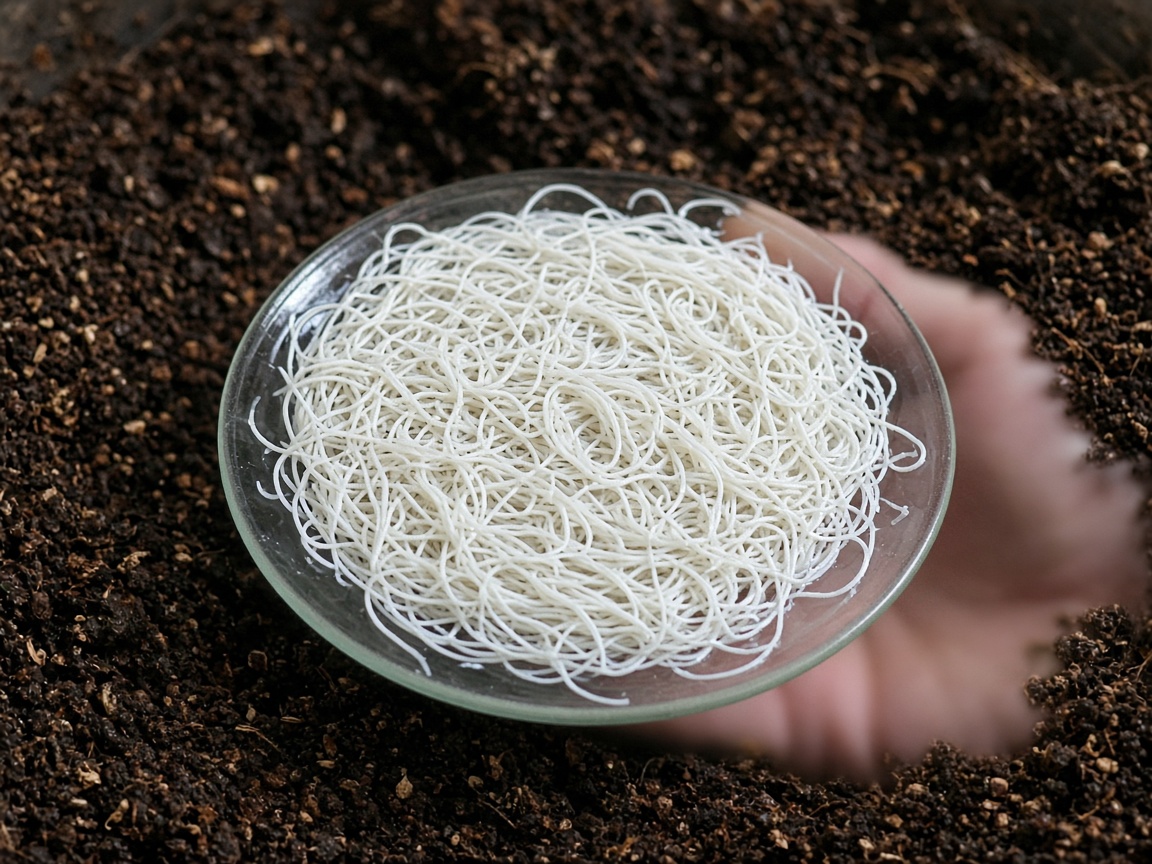
Grindal worms harvested clean on a glass plate over coir

Grindal Worms

Out of stock

Enchytraeus buchholzi

A bigger, meatier worm for growing-on fry and small adult fish

Size±1 mm young to ±10 mm adults
Culture mediumDamp coir, soil mix or sponge
TemperatureRoom temperature (cooler shelf)
DifficultyEasy

R50 · starter culture

Order on WhatsApp