About this culture
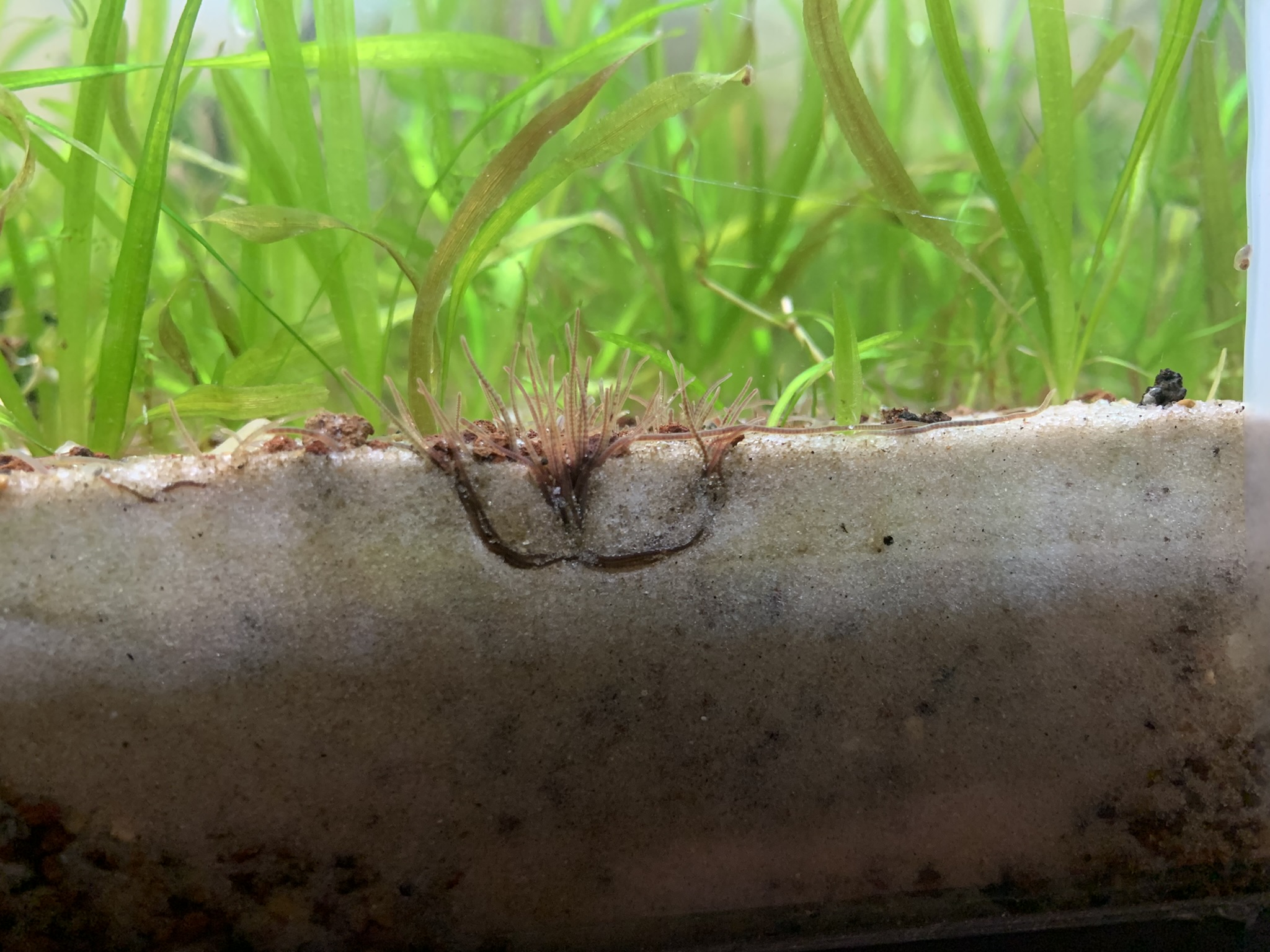
Blackworms are thin aquatic worms that live in shallow water over a layer of gravel or paper. Few live foods trigger a feeding response like them: bettas, cichlids, loaches, pea puffers and axolotls hunt the waving worm ends sticking out of the substrate exactly as they would in the wild. They are rich food — best fed a few times a week rather than as a staple. Fifty worms is a generous feeding portion for a tank or two, or enough to seed a small tray culture of your own and grow your supply out. We are building our blackworm stock up at the moment, so this one is not available yet; tap “Notify me” and we will message you the moment it is.
Best for
- Adult bettas, cichlids & loaches
- Pea puffers & wild-caught fussy eaters
- Axolotls
- Conditioning larger breeding stock
How to culture it
- Use a shallow tray or small tank with 5–8 cm of dechlorinated water over rinsed gravel, coarse sand or brown paper strips for the worms to anchor in. Gentle aeration from an airstone keeps oxygen up as the culture grows.
- Culture at room temperature, ideally ±20–24 °C — no fridge needed (fridges are for storing worms still, not growing them). What matters is the ceiling: keep the water below 25 °C, because sustained heat above ±27 °C kills blackworms. In summer, stand the tray in the coolest room and float a frozen water bottle in it on hot days.
- Feed sparingly: a small piece of blanched spinach, a sinking pellet or a pinch of spirulina, only as fast as it gets eaten. Remove uneaten food before it rots.
- Change most of the water every 1–2 weeks (sooner if it clouds) with same-temperature dechlorinated water, and harvest by swirling the substrate and pipetting the worms that ball up.
How to feed it
Rinse a portion in clean water and drop it in — worms burrow tail-up and wave, which is exactly what triggers reluctant feeders.
Rich food: feed 2–3 times a week as part of a varied diet, not as the only food.
Go deeper: How to culture blackworms at home →