Species feeding guide

Live food for gouramis

Gouramis are surface hunters built around insects and larvae that fall on the water — which is why a feed of daphnia scattered at the surface gets a dwarf or pearl gourami hunting like it means it. Their fry are another story entirely: among the smallest of all common aquarium fry, and the reason gourami breeders keep vinegar eels.

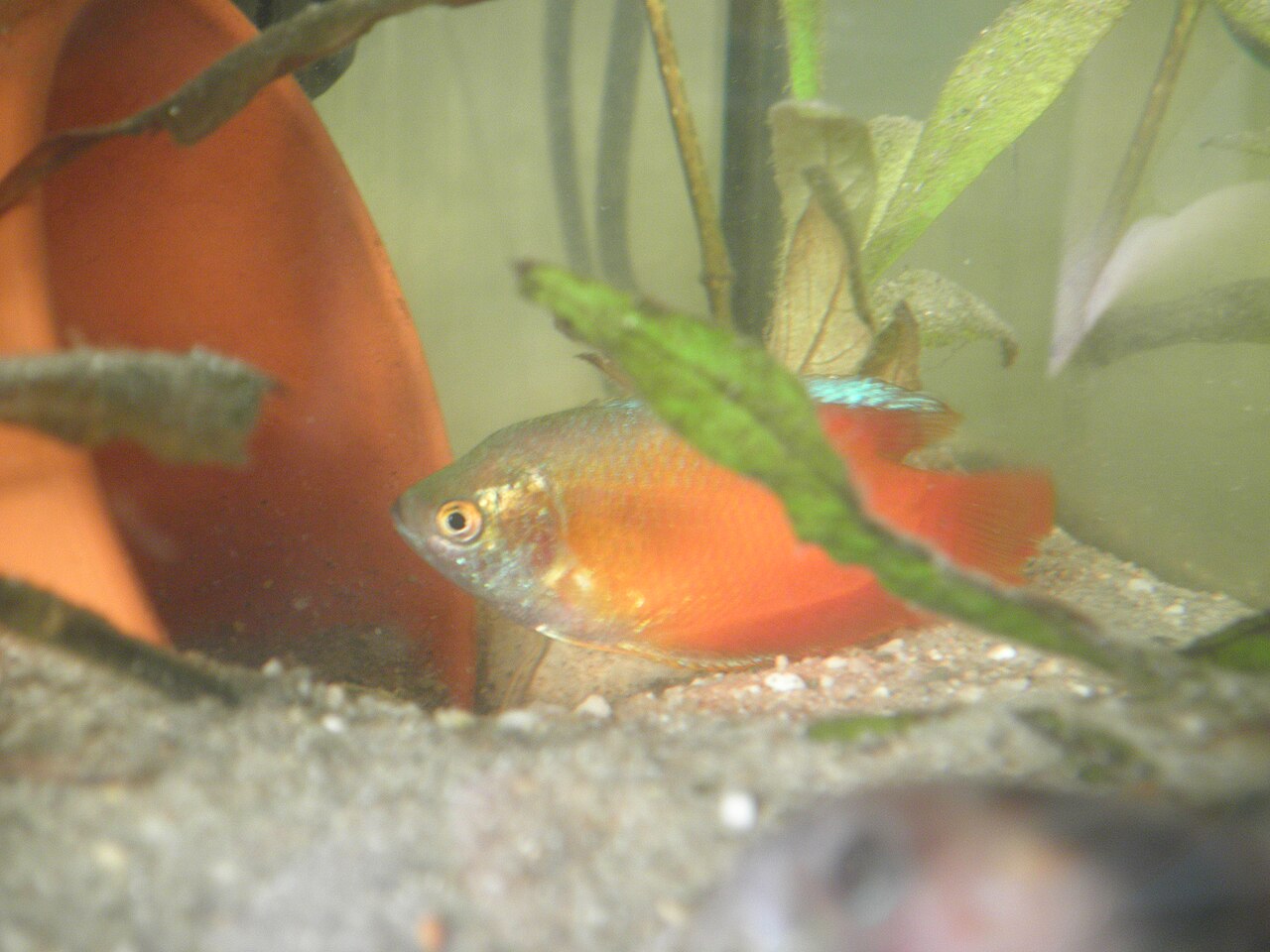
A red dwarf gourami (Trichogaster lalius)

Photo: Kennyannydenny, Wikimedia Commons, CC BY-SA 3.0

The feeding plan

StageFeed thisWhy it works
Adults, regular feedingLive daphnia (moina) at the surface, 2–3× a weekTriggers natural surface hunting and keeps shy species (chocolate, sparkling, honey) feeding confidently
Conditioning for the bubble nestGrindal worms + daphnia in rotationMales in live-fed condition build better nests and court persistently; females fill with eggs faster
Fry, first weekVinegar eels (see the gourami fry page)Gourami fry are minuscule — eels and infusoria-sized food first, or the spawn starves at size
Fry, weeks 2–4Banana worms, microworms, then newborn moinaThe slow ladder up; gourami fry grow unevenly, so keep a small food running for the runts

Practical tips

  • Feed at the surface in still water — turn the filter outflow down at feeding time so daphnia stays where gouramis hunt.
  • Keep a lid on: gouramis jump, and a hunting fish at the surface jumps further.
  • For shy species, feed after the bold tankmates have eaten, in the gourami’s own corner.
Watch out: Dwarf gouramis are prone to bloating on rich, fatty feeding. Keep grindal worms to conditioning portions and let daphnia be the regular live feed.

Common questions

What do gourami fry eat?

Vinegar eels first — they are among the smallest cultured foods and swim where fry hunt. Then banana worms and microworms, and newborn daphnia (moina) as mouths grow. See our dedicated gourami fry page for the week-by-week plan.

Is daphnia good for dwarf gouramis?

Excellent — lean, digestible and hunted at the surface exactly as gouramis evolved to feed. It is a better regular live food for them than rich worms.

Start these cultures

In stock in the Western Cape, dispatched Monday to Wednesday, door-to-door across South Africa.

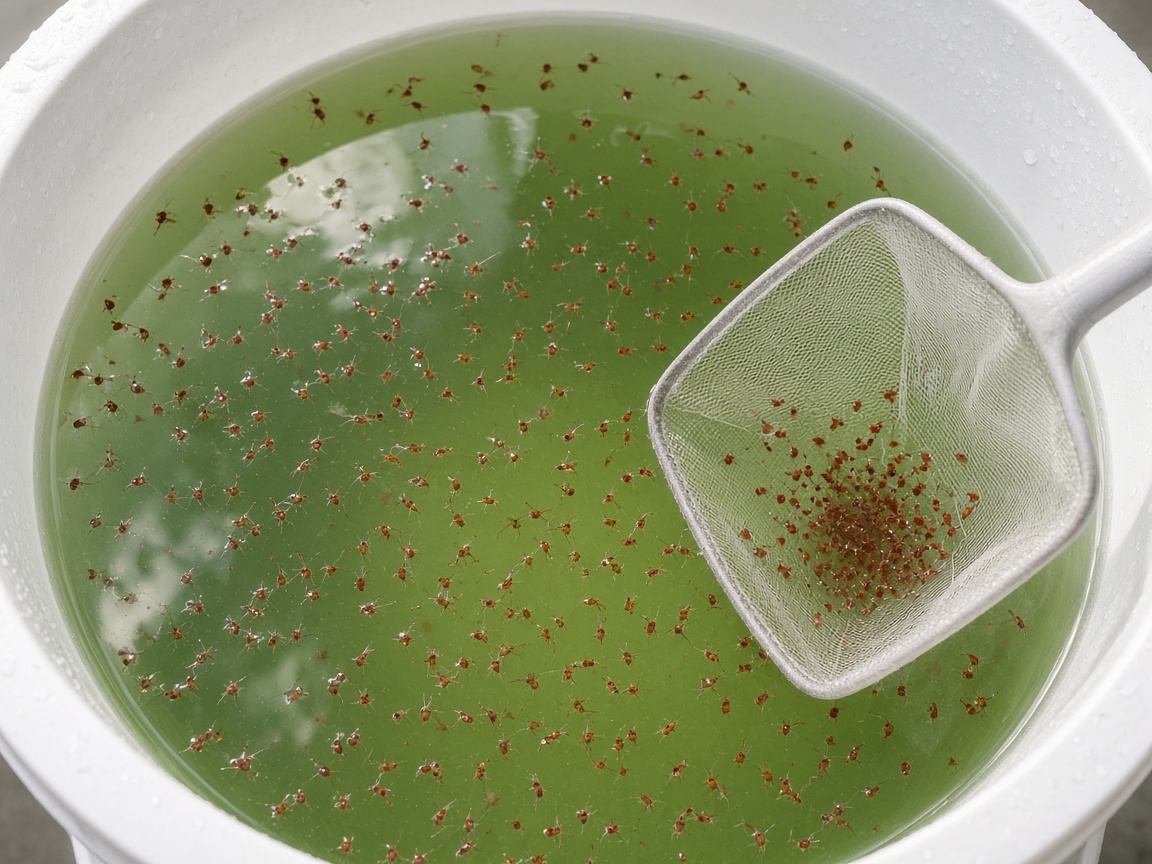
Live daphnia (moina) being harvested with a fine net from a green culture tub

Daphnia (Moina)

In stock

Moina sp.

The small “daphnia” that suits fry and small fish — and breeds fast in warm water

Size±0.4–1.5 mm (adults ±1–1.5 mm)
Temperature20–30 °C (fastest at 24–28 °C)
FoodGreen water, yeast, spirulina
DifficultyModerate — keep a backup culture

R50 · starter culture
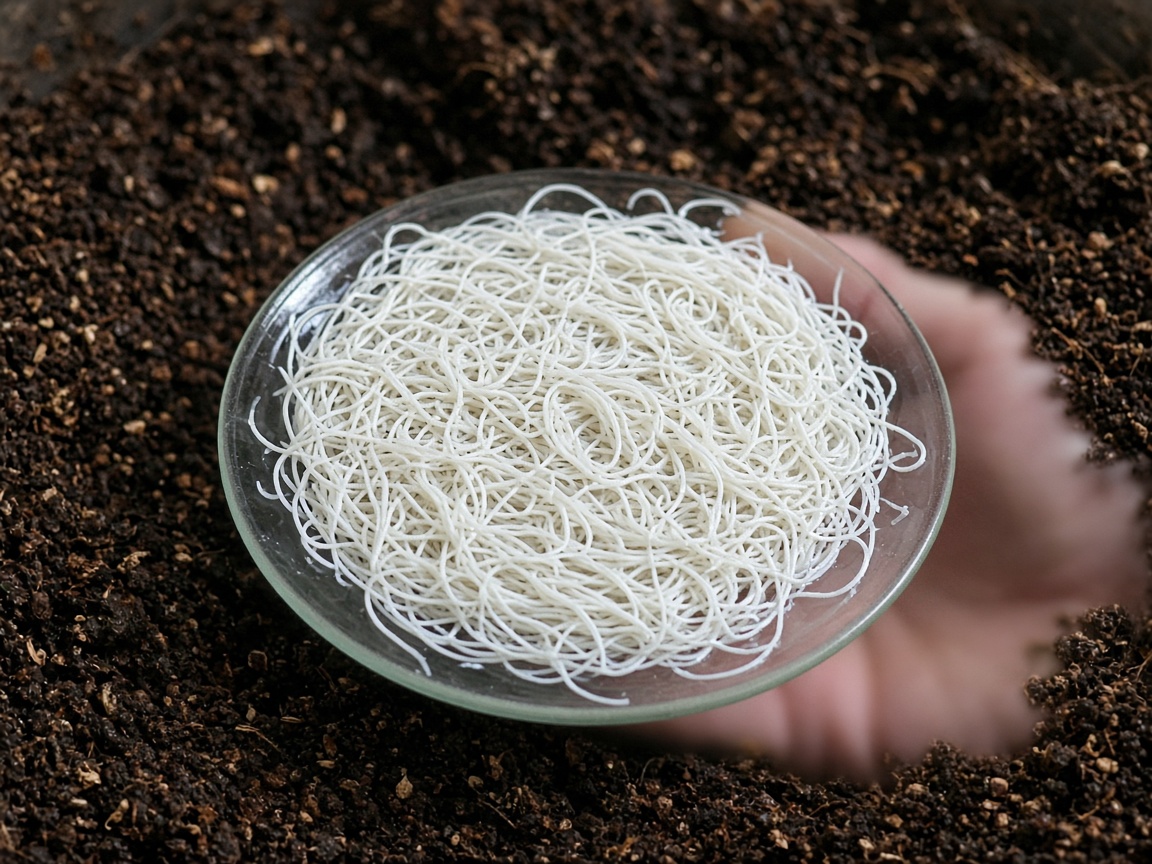
Grindal worms harvested clean on a glass plate over coir

Grindal Worms

Out of stock

Enchytraeus buchholzi

A bigger, meatier worm for growing-on fry and small adult fish

Size±1 mm young to ±10 mm adults
Culture mediumDamp coir, soil mix or sponge
TemperatureRoom temperature (cooler shelf)
DifficultyEasy

R50 · starter culture

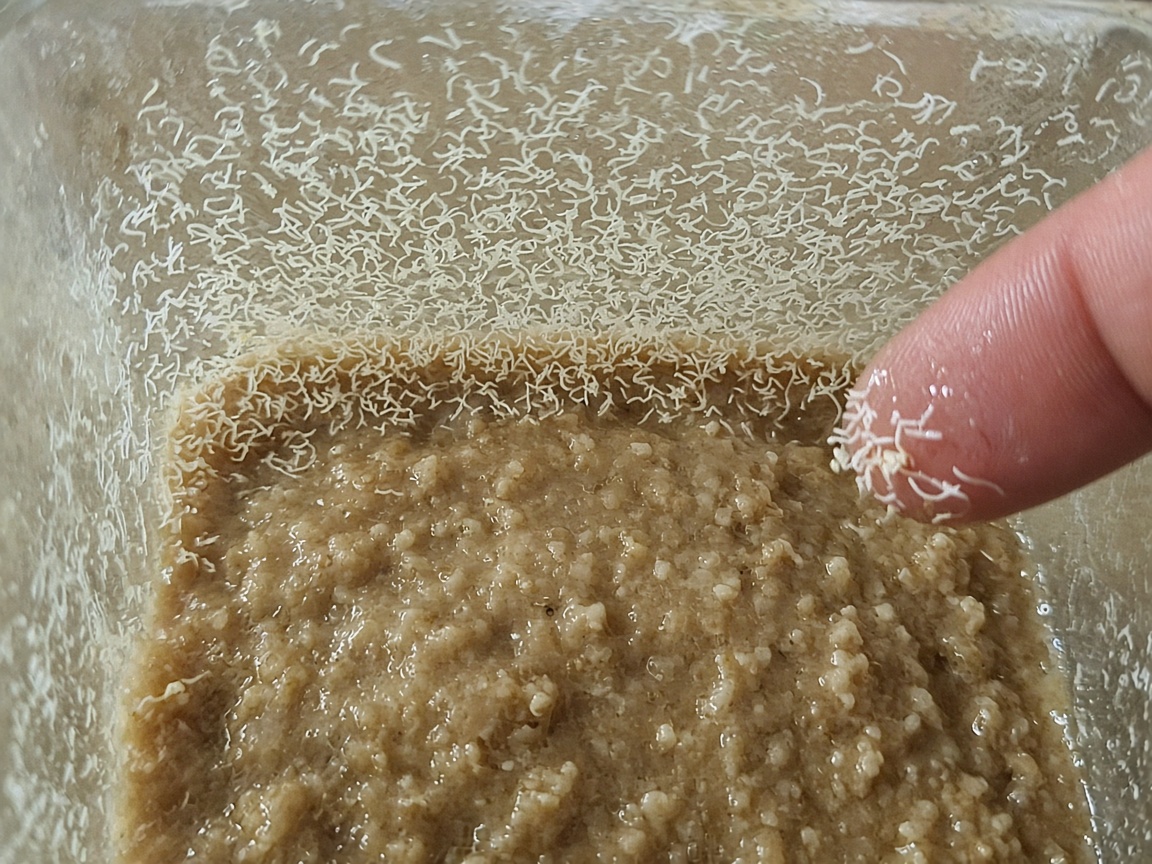
Microworms climbing the wall of a culture tub, harvested with a fingertip

Microworms

In stock

Panagrellus redivivus

The go-to first food for betta, gourami, tetra and cory fry

Size±1–3 mm
Culture mediumOats / instant porridge paste
Temperature18–27 °C (room temperature)
DifficultyVery easy

R50 · 15 ml starter culture

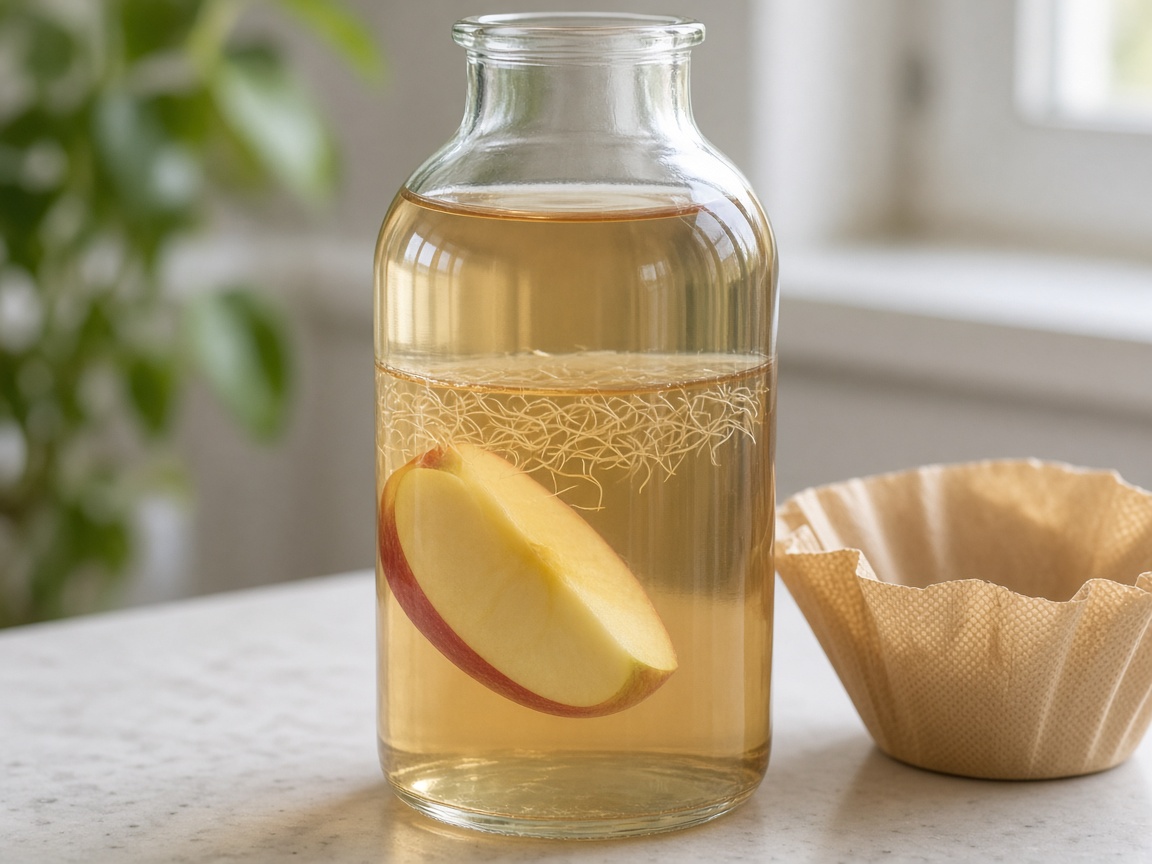
Vinegar eel starter culture tub

Vinegar Eels

In stock

Turbatrix aceti

The tiniest first food — cultured on oats, despite the name

Size±0.3–2 mm
Culture mediumOats / instant porridge paste (like microworms)
Temperature18–27 °C (room temperature)
DifficultyVery easy

R50 · 15 ml starter culture

Feeding gouramis? Get the culture right first time.

Tell us your setup and town on WhatsApp — we will confirm which cultures you need, what is in stock, and the exact delivered price.

Ask about gouramis food on WhatsApp

More species guides

Live food for bettas · Food for betta fry · Food for guppy fry · Live food for guppies · All species →

Order on WhatsApp