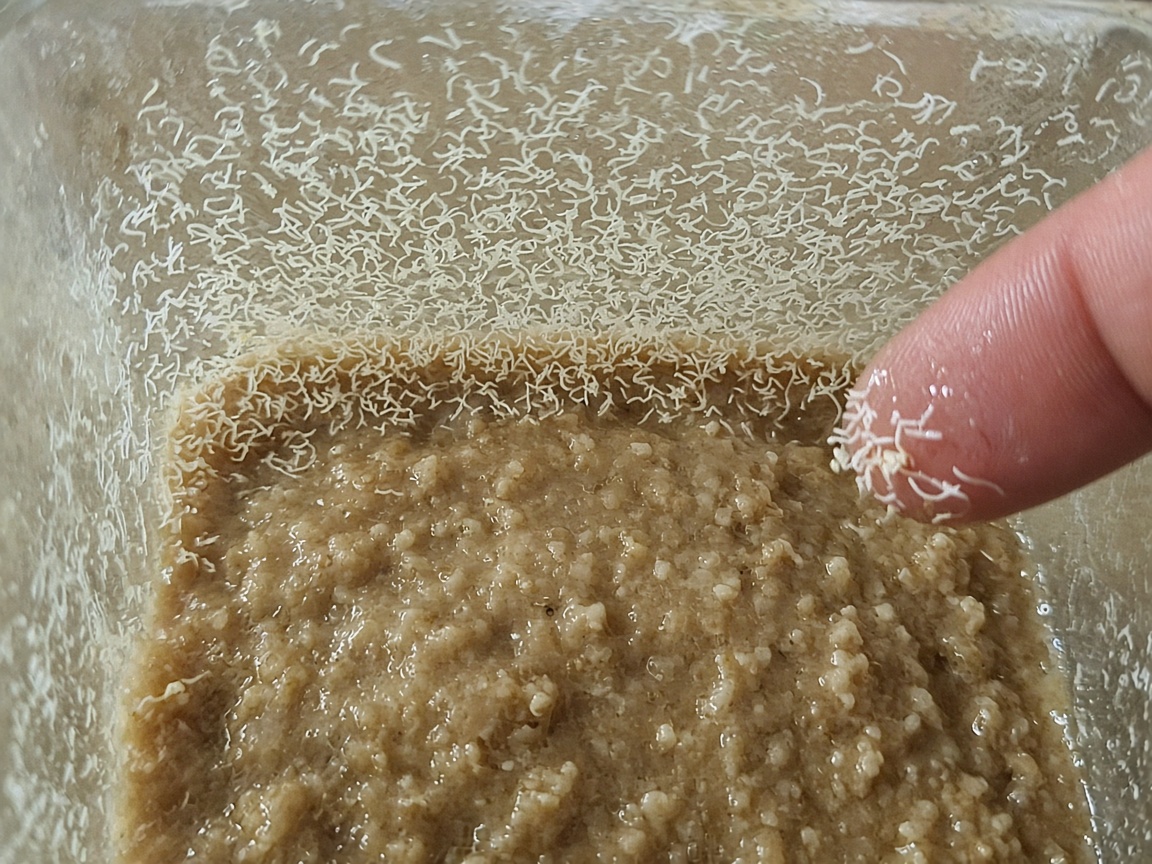
Microworms
In stockPanagrellus redivivus
The go-to first food for betta, gourami, tetra and cory fry
Size±1–3 mm
Culture mediumOats / instant porridge paste
Temperature18–27 °C (room temperature)
DifficultyVery easy
R50 · 15 ml starter culture
Species feeding guide
Corydoras spend their lives sifting the bottom for worms and tiny crustaceans — live food that reaches the substrate is what they are built for. Microworms serve cory fry and adults alike; grindal worms are the bigger bottom feed.
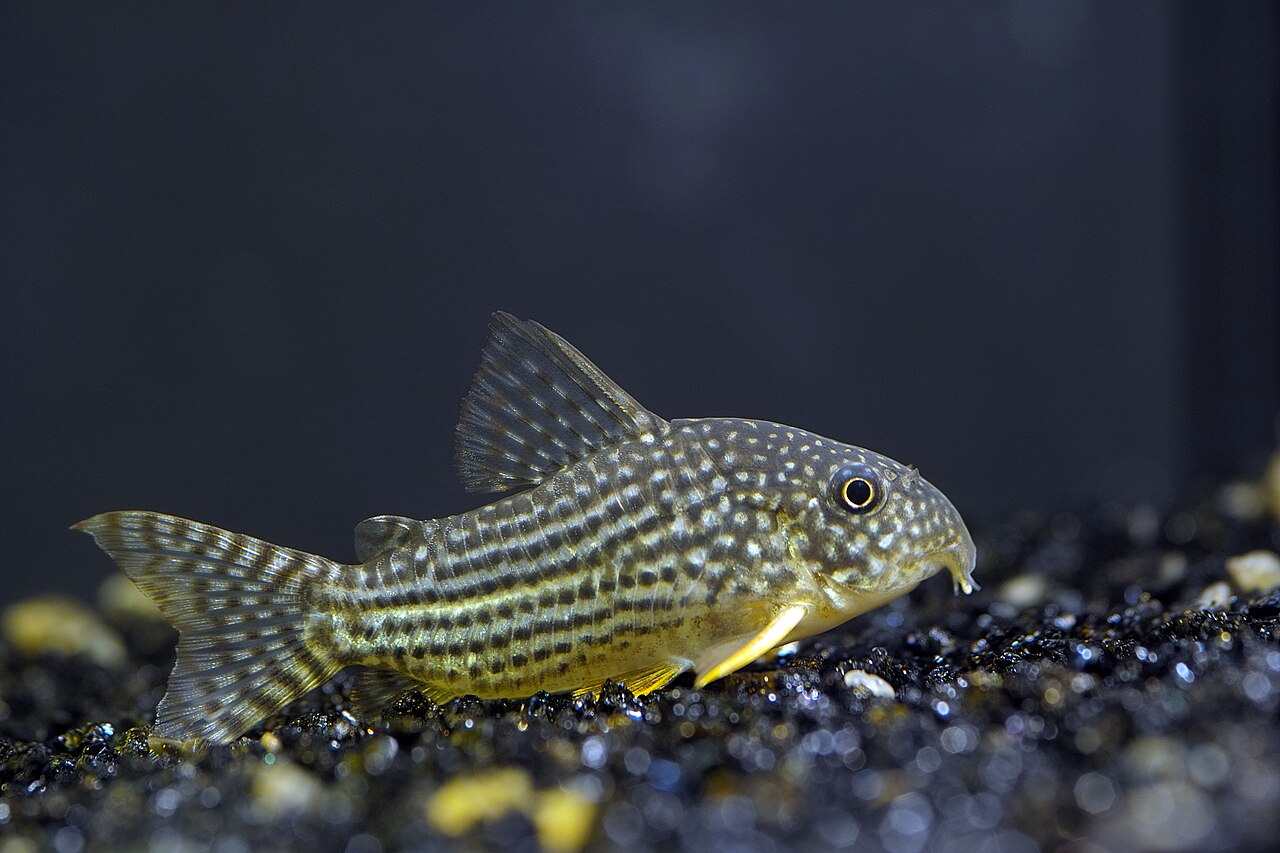
Photo: Matthew Mannell, Wikimedia Commons, Public domain
| Stage | Feed this | Why it works |
|---|---|---|
| Cory fry, first 2 weeks | Microworms (+ vinegar eels) | Fry feed on the bottom where microworms settle; eels cover fry still feeding higher up |
| Growing fry | Baby daphnia, then young grindal worms | Step sizes up as barbels and mouths develop |
| Adults | Grindal worms + microworms on the substrate | Sinking worms trigger natural sifting and foraging; feed after lights-dim for shy species |
| Whole-tank bonus | Live daphnia | Corys pick off daphnia that drift down; the rest of the tank hunts the column |
Microworms from the first days — they settle exactly where cory fry feed. Add vinegar eels for variety, then baby daphnia and young grindal worms as they grow.
Yes — they sink, wriggle on the substrate and trigger natural foraging. A small harvest a few times a week is an excellent supplement to a quality bottom staple.
In stock in the Western Cape, dispatched Monday to Wednesday, door-to-door across South Africa.
Panagrellus redivivus
The go-to first food for betta, gourami, tetra and cory fry
R50 · 15 ml starter culture
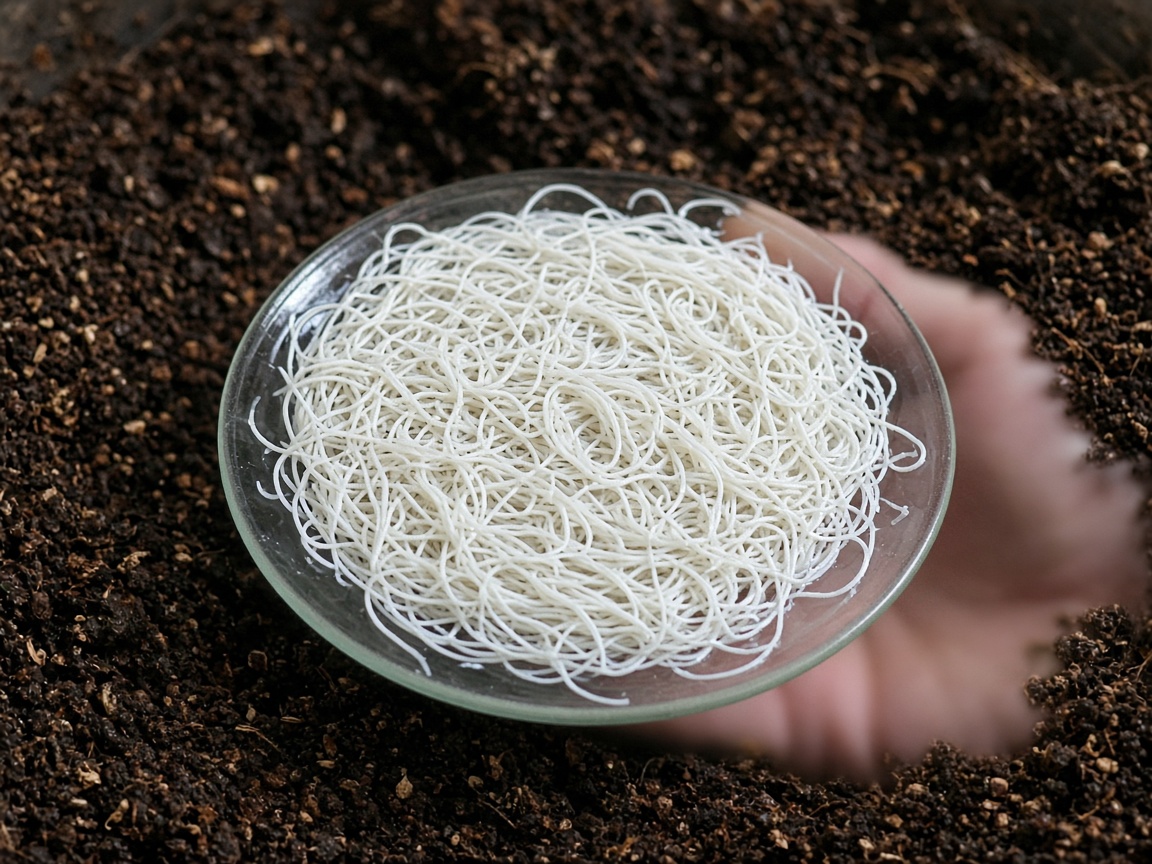
Enchytraeus buchholzi
A bigger, meatier worm for growing-on fry and small adult fish
R50 · starter culture
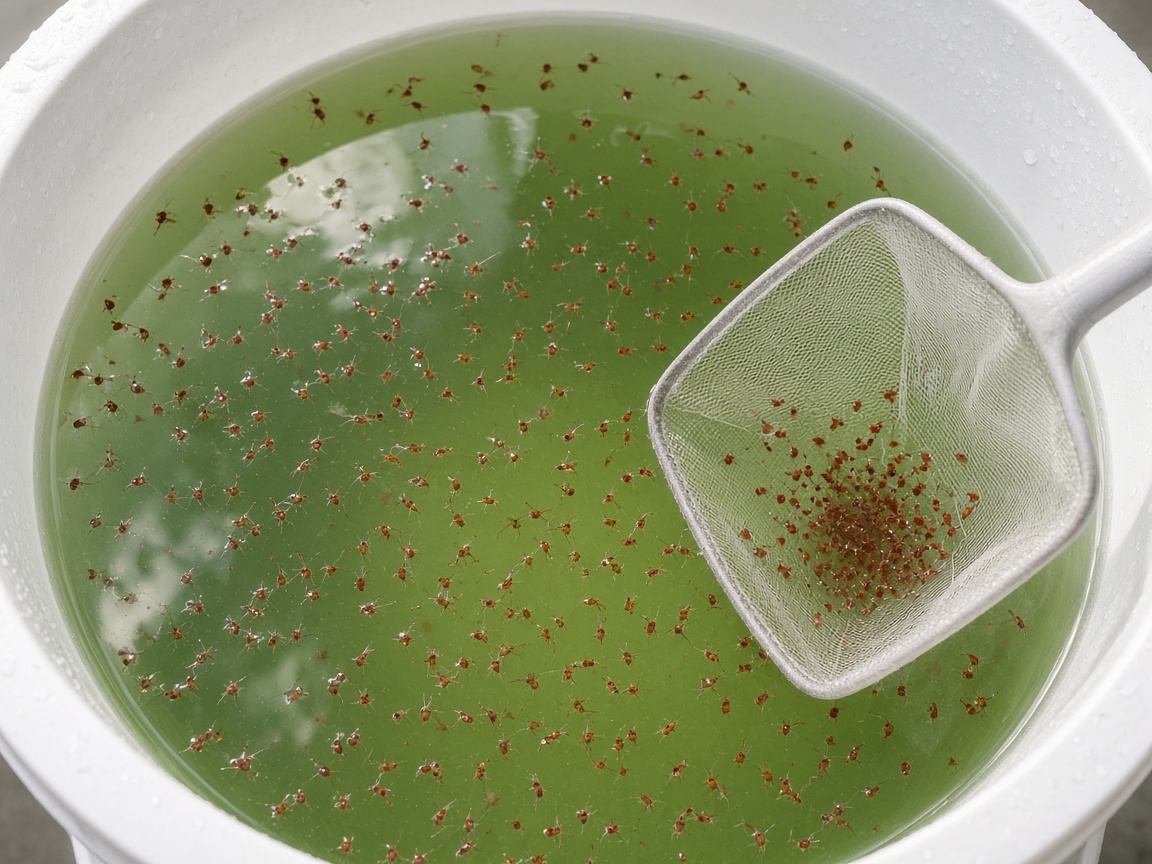
Moina sp.
The small “daphnia” that suits fry and small fish — and breeds fast in warm water
R50 · starter culture
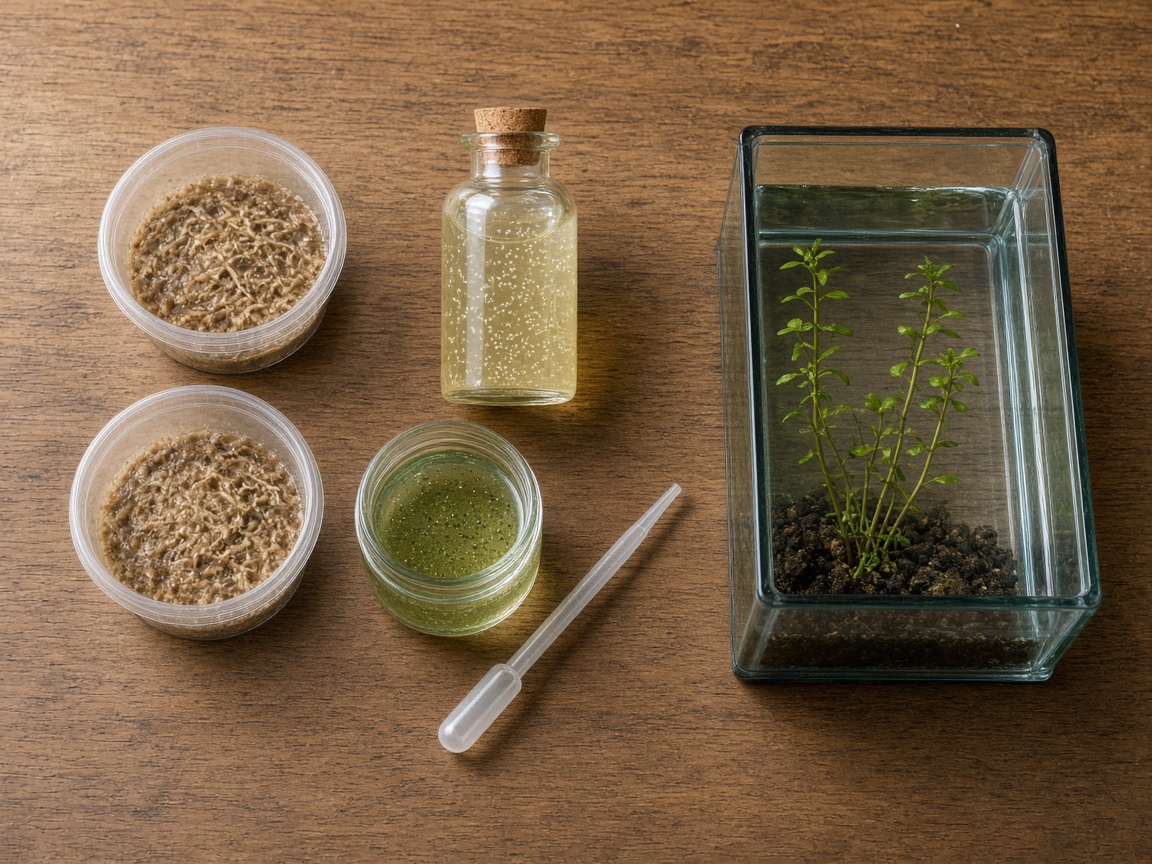
All four fry cultures in one parcel
Every fry size covered, from first bite to grow-out, in one courier parcel
R200 · 4-culture bundle
Tell us your setup and town on WhatsApp — we will confirm which cultures you need, what is in stock, and the exact delivered price.
Ask about corydoras food on WhatsAppLive food for bettas · Food for betta fry · Food for guppy fry · Live food for guppies · All species →