Species feeding guide

Live food for axolotls

Young axolotls only snap at food that moves — live food is not optional for larvae, it is what triggers feeding at all. Our cultures suit the larval and juvenile stages: daphnia first, grindal worms as they grow. Honesty up front: the best staple for a large juvenile or adult axolotl is earthworms, which we do not sell — use our cultures for the stages below.

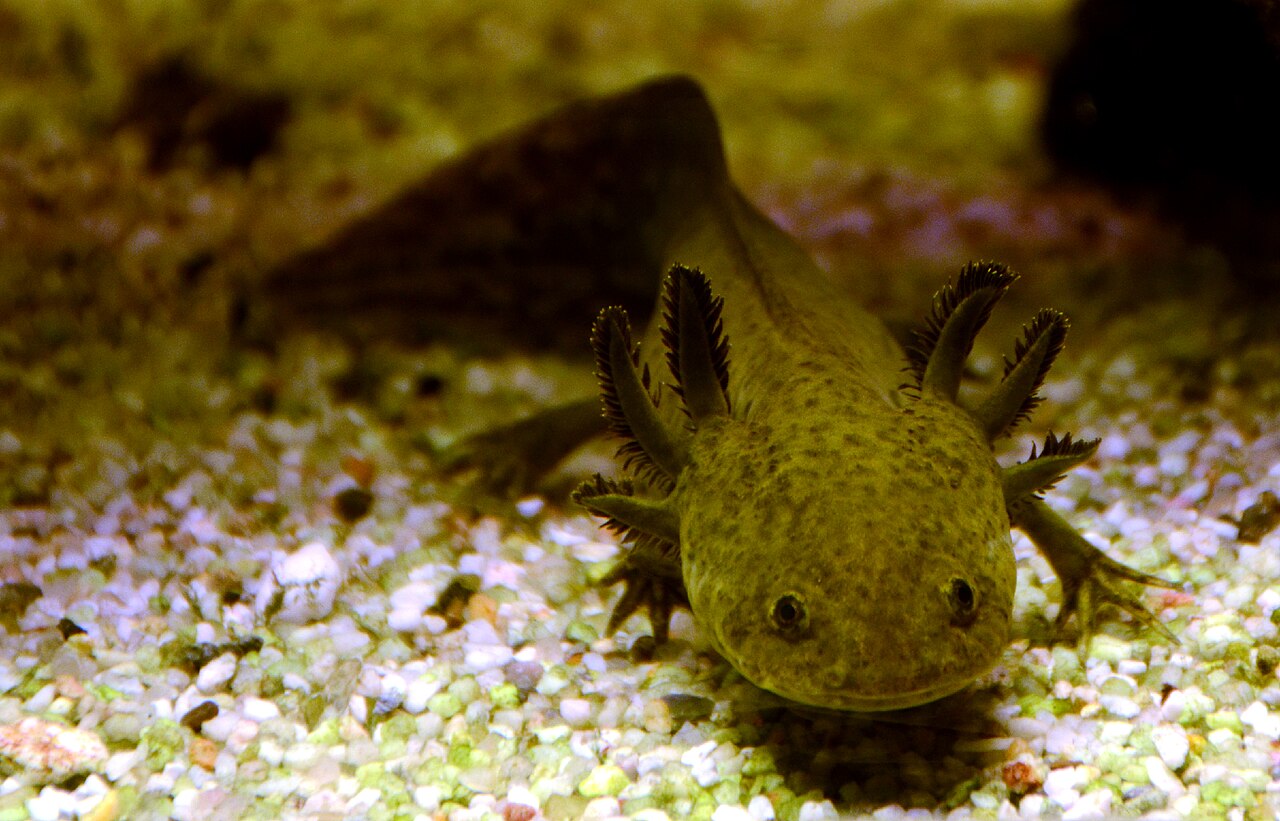
An axolotl in an aquarium

Photo: Vassil, Wikimedia Commons, CC0

The feeding plan

StageFeed thisWhy it works
Newly hatched larvaeMicroworms + smallest daphnia (moina/newborn)Movement is the only feeding trigger at this stage; food must be tiny and alive in front of them
Larvae growing, pre-legsLive daphnia, fed 1–3× dailyA nutritionally balanced staple for larvae — home-cultured daphnia avoids the disease risk of wild-collected water fleas
Juveniles (legs growing, under ±7.5 cm)Grindal worms as a treat + daphniaGrindal/white worms are accepted well at this size but are fatty — a rearing treat, not the whole diet
Over ±7.5 cmCut earthworms / axolotl pellets (not sold here)Earthworms are the most complete axolotl staple; daphnia still works as a treat up to ±18 cm, after which they barely notice it

Practical tips

  • Feed pieces no wider than the space between the axolotl’s eyes, and remove uneaten food — young axolotls foul small tubs quickly.
  • Culture your own daphnia rather than collecting from ponds: fish-free home cultures avoid the parasites wild water fleas can carry.
  • Feed juveniles in a bare-bottom tub or tank at first so you can see what is actually eaten.
Watch out: Do not make grindal worms (or white worms) the permanent diet — they are fatty and oily. And never feed wild-collected daphnia from water that holds fish; home-cultured is the safe route this shop exists for.

Common questions

Can axolotls eat daphnia?

Yes — daphnia is one of the best foods for larval and small juvenile axolotls, and a good treat up to about 18 cm. Very large adults tend to ignore it. Home-cultured daphnia is safer than wild-collected.

What do baby axolotls eat?

Live, moving, tiny food: microworms and baby daphnia (or baby brine shrimp) from hatching until legs grow, then larger live food and eventually cut earthworms from about 7.5 cm.

Are grindal worms OK for axolotls?

As a juvenile treat, yes. They are fatty, so rotate them with daphnia and move juveniles onto earthworms/pellets as the staple as they grow.

Start these cultures

In stock in the Western Cape, dispatched Monday to Wednesday, door-to-door across South Africa.
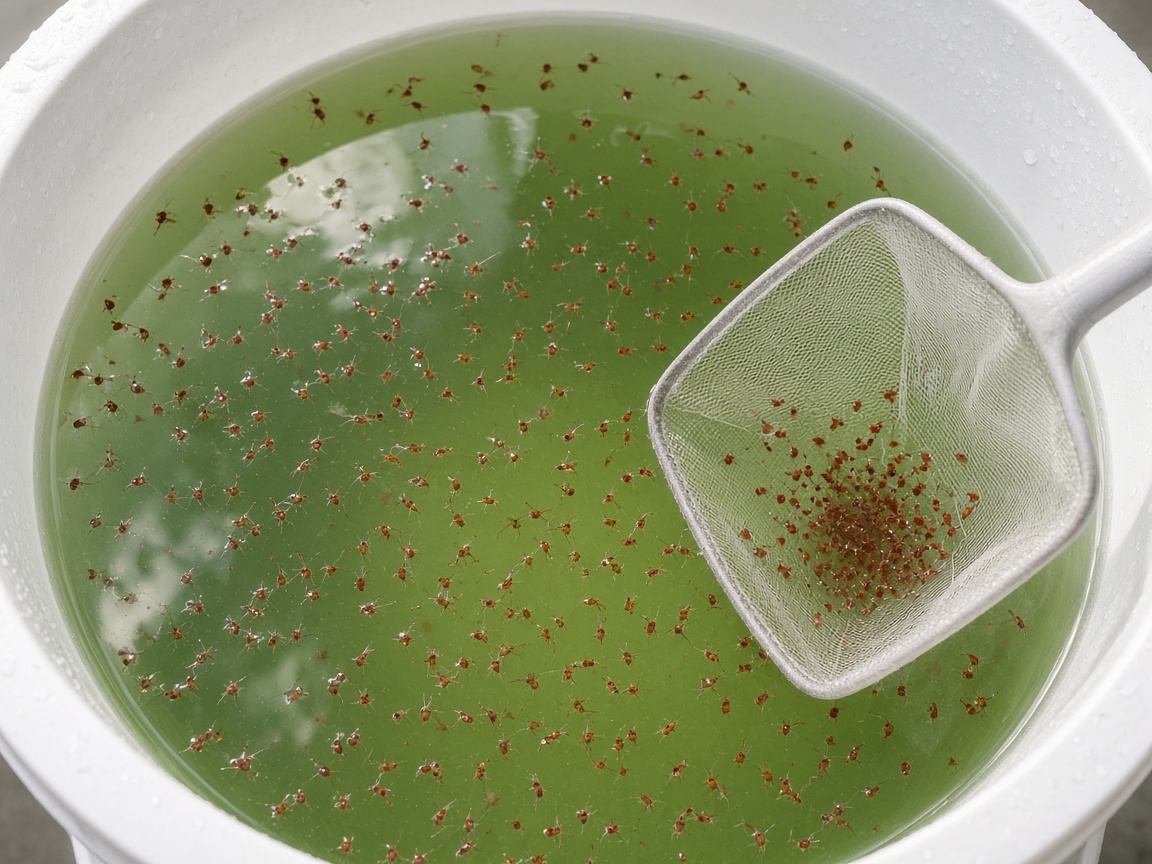
Live daphnia (moina) being harvested with a fine net from a green culture tub

Daphnia (Moina)

In stock

Moina sp.

The small “daphnia” that suits fry and small fish — and breeds fast in warm water

Size±0.4–1.5 mm (adults ±1–1.5 mm)
Temperature20–30 °C (fastest at 24–28 °C)
FoodGreen water, yeast, spirulina
DifficultyModerate — keep a backup culture

R50 · starter culture

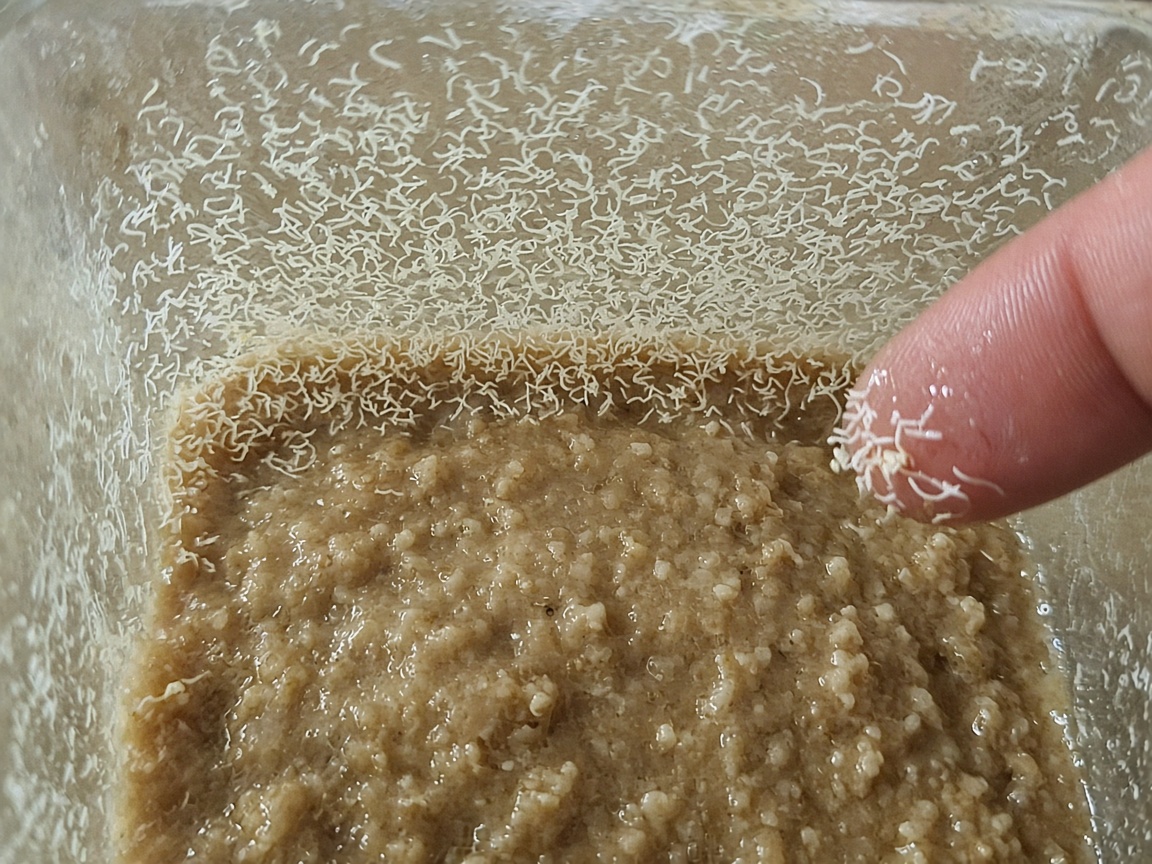
Microworms climbing the wall of a culture tub, harvested with a fingertip

Microworms

In stock

Panagrellus redivivus

The go-to first food for betta, gourami, tetra and cory fry

Size±1–3 mm
Culture mediumOats / instant porridge paste
Temperature18–27 °C (room temperature)
DifficultyVery easy

R50 · 15 ml starter culture

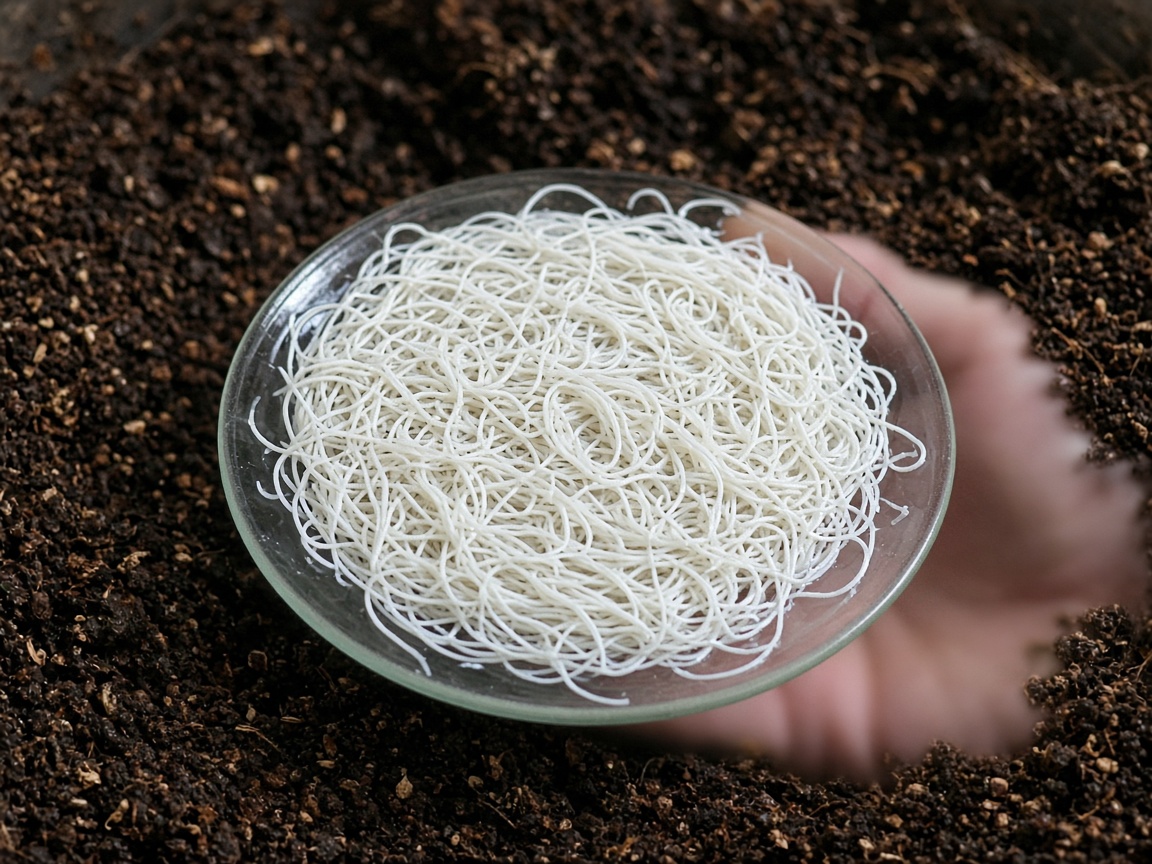
Grindal worms harvested clean on a glass plate over coir

Grindal Worms

Out of stock

Enchytraeus buchholzi

A bigger, meatier worm for growing-on fry and small adult fish

Size±1 mm young to ±10 mm adults
Culture mediumDamp coir, soil mix or sponge
TemperatureRoom temperature (cooler shelf)
DifficultyEasy

R50 · starter culture

Feeding axolotls? Get the culture right first time.

Tell us your setup and town on WhatsApp — we will confirm which cultures you need, what is in stock, and the exact delivered price.

Ask about axolotls food on WhatsApp

More species guides

Live food for bettas · Food for betta fry · Food for guppy fry · Live food for guppies · All species →

Order on WhatsApp